
Ultimate Guide To Must-Have Products For House Siding Projects
Get insights into essential tools and materials that make siding installation more efficient, durable, and visually appealing.
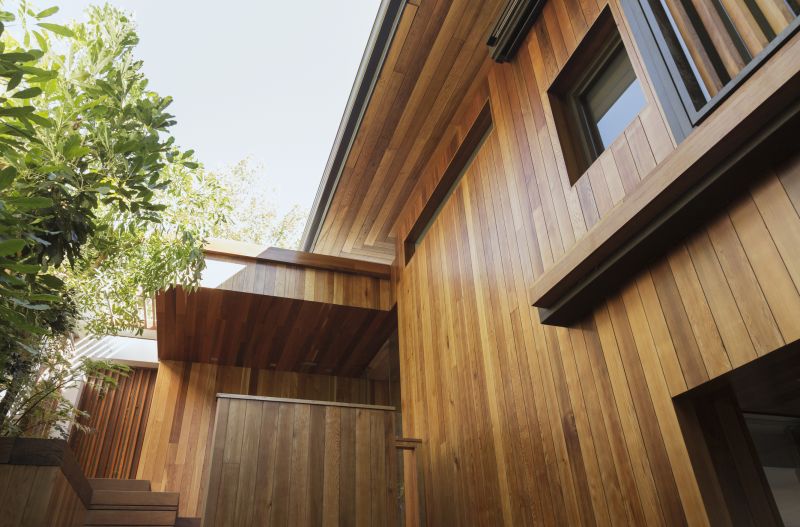 Choosing the right products for house siding installations is essential for achieving a durable and visually appealing exterior. The selection process involves understanding various product types, materials, and installation methods to suit different architectural styles and functional needs. From traditional sidings to modern alternatives, the market offers a diverse range of options designed to enhance the longevity and curb appeal of residential properties.
Top Overall Option
Fiber Cement Siding Panels
Fiber cement siding panels are recognized for their durability, resistance to pests, and ability to mimic various textures and finishes. They can be installed with relative ease and provide a long-lasting exterior solution that withstands weathering and requires minimal maintenance. This versatile material is suitable for a range of architectural styles and offers a good balance between aesthetics and performance.
Types of Products For House Siding Installations
Vinyl Siding
A popular choice for its affordability and low maintenance, vinyl siding is available in numerous styles and colors, making it a versatile option for many homes.
Wood Siding
Offering a natural and classic appearance, wood siding can be customized with different stains and finishes, though it may require periodic maintenance.
Fiber Cement Siding
Known for its durability and resistance to elements, fiber cement siding can emulate the look of wood or stucco and is suitable for various climates.
Metal Siding
Metal siding options, including aluminum and steel, provide a modern aesthetic and excellent durability, often used in contemporary designs.
Engineered Wood Siding
Engineered wood offers the appearance of traditional wood with enhanced resistance to pests and moisture, requiring less maintenance.
Stucco Siding
A cement-based exterior finish that provides a textured appearance, stucco is durable and suitable for various architectural styles.
PVC Siding
PVC siding is a lightweight, weather-resistant material that is easy to install and maintain, often available in various textures.
Composite Siding
Composite siding combines different materials to achieve a balance of strength, appearance, and ease of installation.
Brick Veneer
Brick veneer provides a traditional and timeless look, adding texture and durability to the exterior without the weight of full brick.
Stone Veneer
Stone veneer offers a natural appearance and is used to create rustic or upscale facades with ease of installation.
Rubber Siding
Rubber siding is flexible and impact-resistant, suitable for certain architectural styles and areas prone to damage.
Insulated Siding
Insulated siding includes a foam backing that enhances energy efficiency and provides additional insulation properties.
Clay Tile Siding
Clay tile siding offers a distinctive look with excellent durability and resistance to weathering, often used in Mediterranean-style homes.
Concrete Board Siding
Concrete board siding combines strength and weather resistance, suitable for high-moisture areas and modern architectural designs.
PVC Shingles
PVC shingles mimic traditional shingle styles with added durability and ease of maintenance, suitable for various aesthetic preferences.
Popular Choices
Widely used for its affordability and ease of installation, vinyl siding remains a common choice for many homeowners.
Offering a durable exterior, fiber cement siding is appreciated for its resistance to pests and weather elements.
A traditional option that provides natural beauty, often chosen for its aesthetic appeal and versatility.
Known for its modern look and resilience, metal siding is popular in contemporary architectural designs.
Combining the appearance of real wood with enhanced durability, engineered wood siding is gaining popularity.
A classic finish offering texture and durability, stucco remains a favored choice for certain architectural styles.
A lightweight and weather-resistant option, PVC siding is often selected for its low maintenance requirements.
Popular for energy efficiency, insulated siding provides additional thermal protection.
Provides a traditional and timeless appearance, often used to add texture and character to exteriors.
Natural-looking and durable, stone veneer is favored for accent walls and rustic designs.
A versatile choice combining various materials for strength and aesthetic flexibility.
Impact-resistant and flexible, rubber siding is gaining attention for specific architectural needs.
Proper installation and compatible materials are crucial to ensure the siding performs as intended. Factors such as weather resistance, maintenance requirements, and ease of installation play significant roles in decision-making. Homeowners and contractors alike should consider these aspects carefully to select products that align with their project goals.
Advancements in siding technology have introduced innovative materials that promise improved durability and aesthetic versatility. Whether opting for classic wood, durable vinyl, or contemporary composite options, understanding the characteristics of each product type helps in making informed choices. Additionally, considering the specific climate and environmental conditions of the location can influence the suitability of certain siding products.
Ultimately, selecting the appropriate products for house siding involves balancing aesthetic preferences, functional requirements, and budget constraints. Consulting with professionals and reviewing product specifications can aid in making selections that meet both practical and stylistic expectations, ensuring a successful siding installation that enhances the home's exterior for years to come.
Key Buying Considerations
- Material durability and resistance to weathering
- Maintenance requirements and longevity
- Compatibility with existing home architecture
- Ease of installation and available professional support
- Aesthetic options including color, texture, and style
- Cost and overall budget constraints
- Thermal insulation properties and energy efficiency
- Pest and mold resistance features
- Availability of matching accessories and trim pieces
- Local climate suitability and performance
- Warranty and manufacturer support
- Environmental factors like UV exposure and moisture levels
- Installation time and complexity
- Compatibility with existing structural elements
- Potential for future upgrades or modifications